 Nightfall Atlas
Night-sky guide · offline
Learn the night sky, one myth at a time
Every evening Nightfall Atlas tells you whether it is worth stepping outside, which constellations are above your horizon right now, how to find each one from a bright star, and the stories people have told about them for thousands of years.
The idea
“I'd love to know the stars” — but where do you even start?
Star apps are planetariums: thousands of labels, bright screens that ruin your night vision, and no idea whether tonight is even clear. Myth books are beautiful, but they never tell you where to look.
Nightfall Atlas turns curiosity into a path you can finish: 40 constellations in four seasonal skies. One clear night, one constellation, one story at a time. Every figure you really spot lights up in your personal atlas.
Features
A calm evening ritual, not a dashboard
-
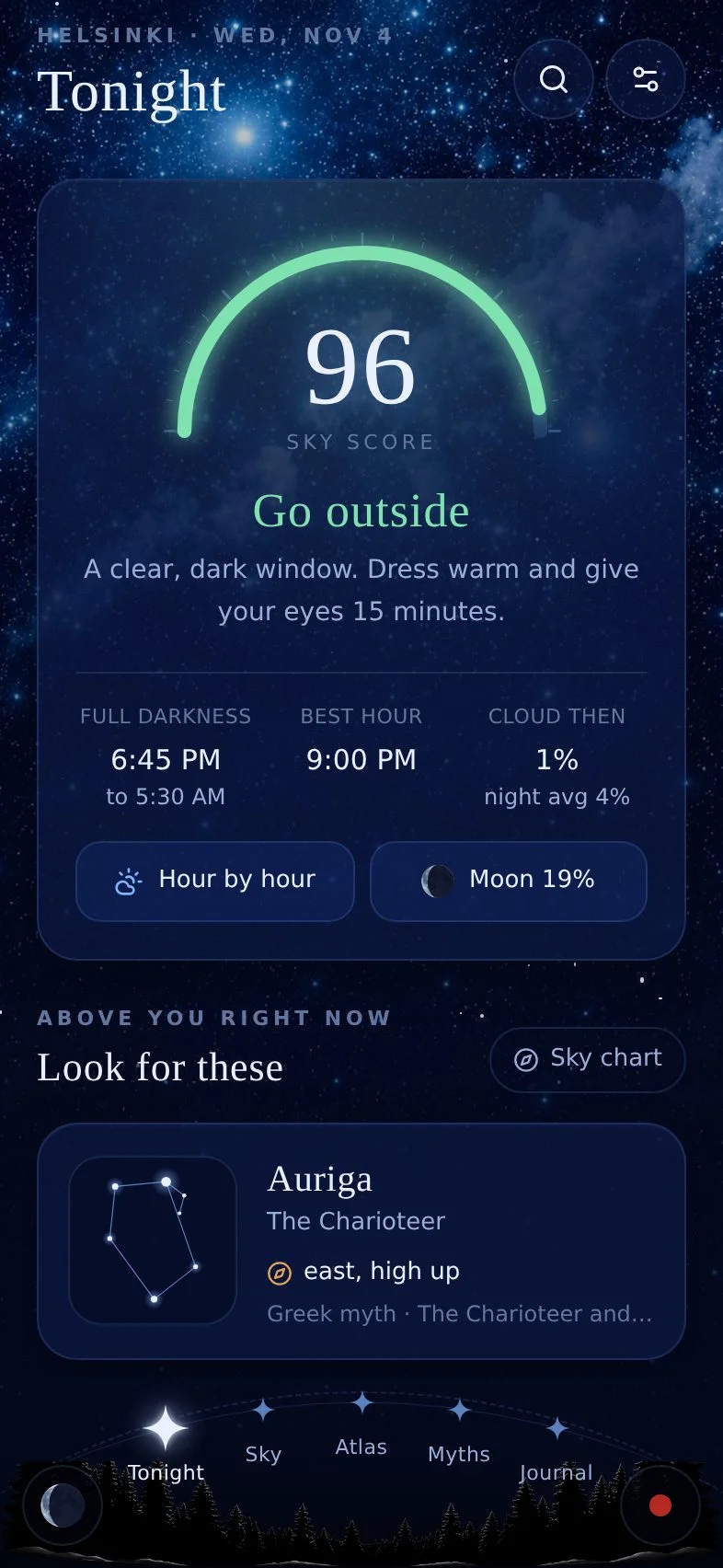
Tonight's verdict
A 0–100 sky score from cloud cover, haze and moonlight in the dark hours, with Go, Maybe or Stay in and the best hour to step out.
-
What's up right now
One to three constellations above your horizon, chosen for your level, with the direction and height to look.
-
Star-hop guides
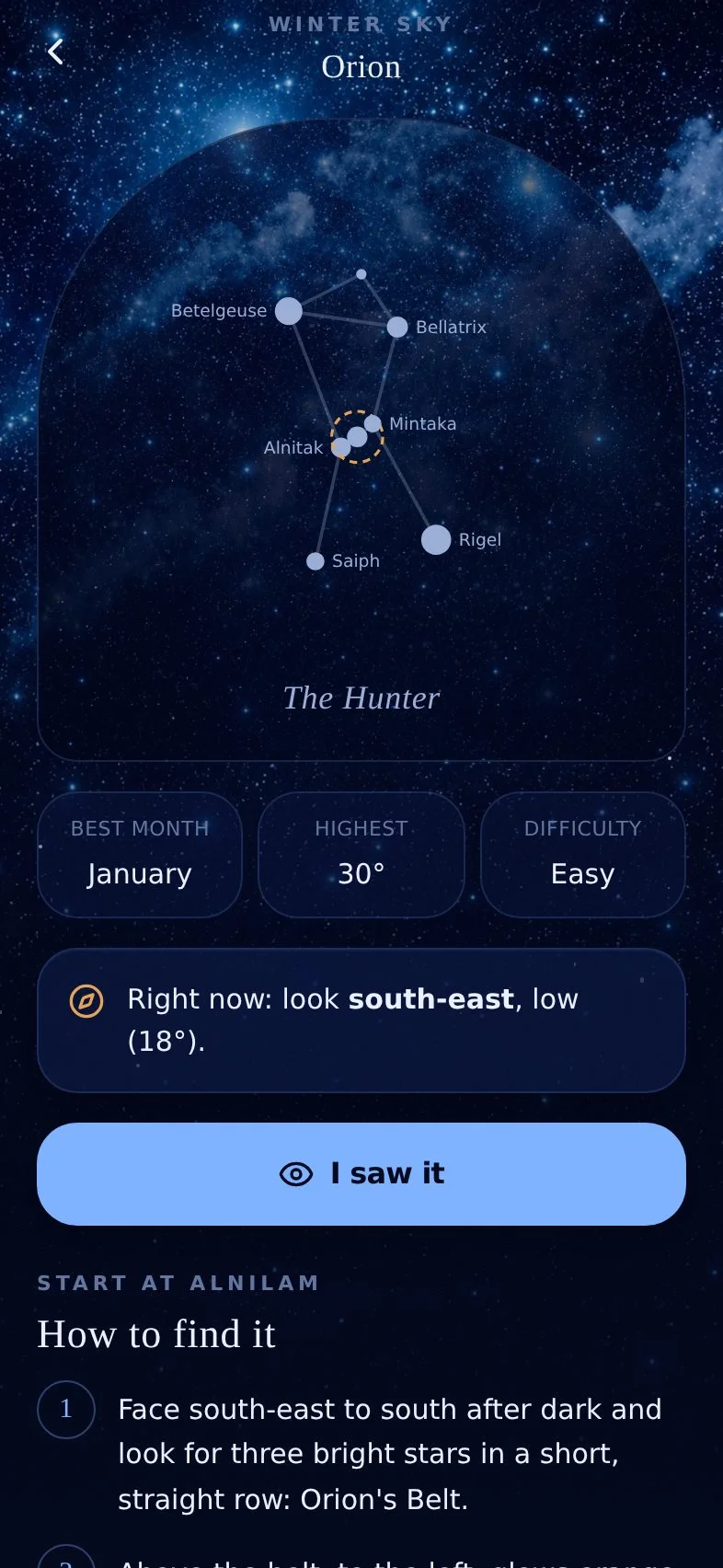
Step-by-step paths from a bright anchor, like Orion's Belt to Sirius, drawn on the constellation's own chart.
-
Offline sky chart
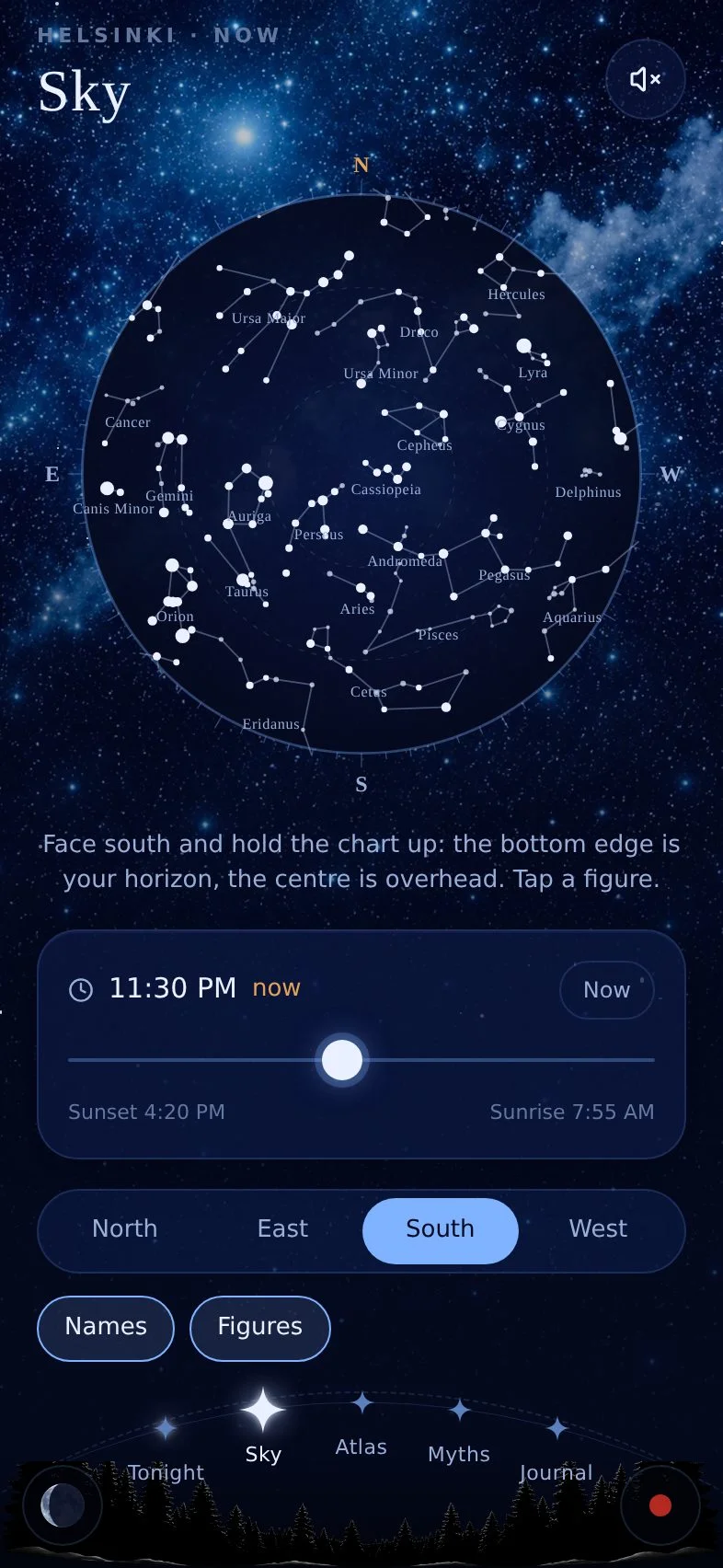
A planisphere of your whole sky for any hour tonight. Drag through the night; no camera, no GPS.
-
Myths of many skies
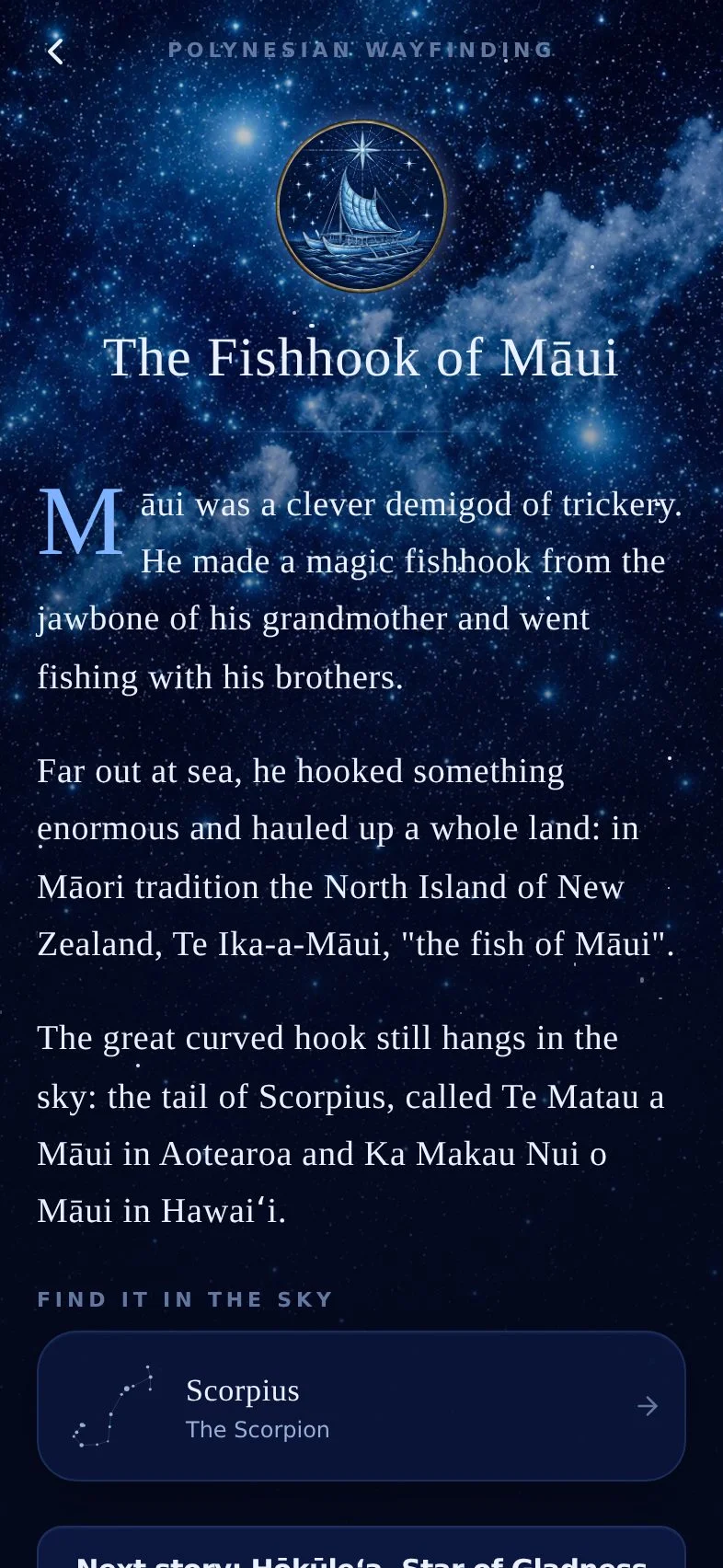
55 short retellings from Greek & Roman, Norse, Polynesian wayfinding and Chinese star lore, tied to the stars they describe.
-
Red Light mode
One tap turns the whole app dim, monochrome red, so your eyes stay adapted to the dark while you look up.
- Constellations
- 40
- Star stories
- 55
- Accounts needed
- 0
Four traditions
The same stars, told by different peoples
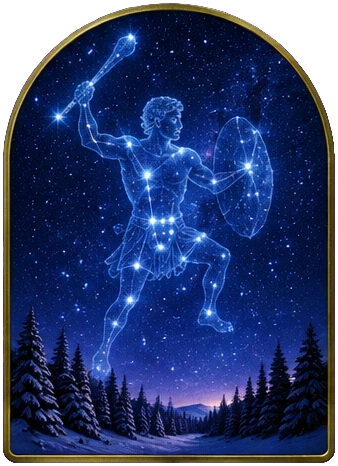
Orion is a Greek hunter, a Norse goddess's distaff and one of two Chinese brothers who never meet. You choose whose stories come first.
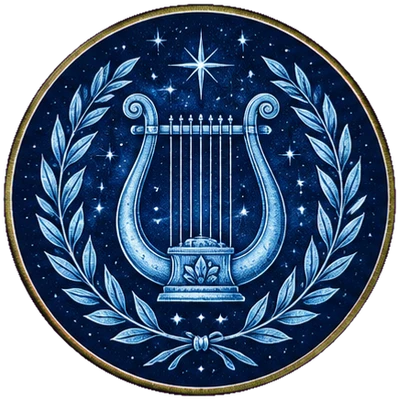
Greek & Roman
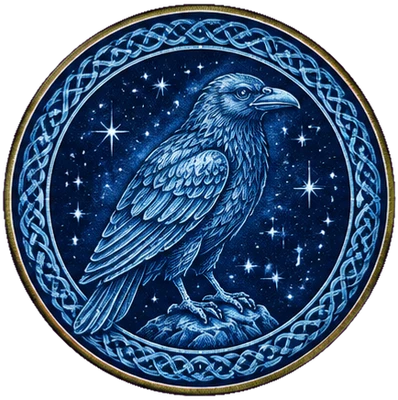
Norse
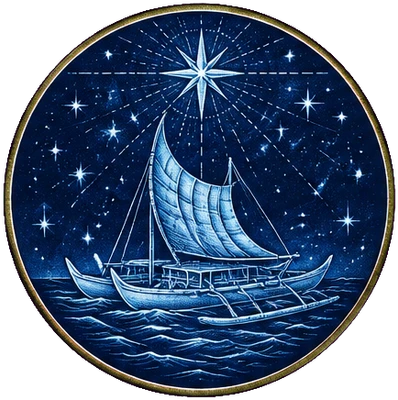
Polynesian wayfinding
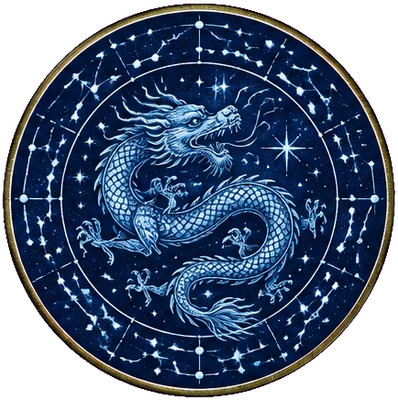
Chinese star lore
Interface
Built for one hand, a cold night and dark-adapted eyes
Real screens from the app. Sections sit as stars on a tree-line horizon at the bottom: swipe along it or tap a star.
Fresh data, used sparingly
Offline first. Two public services for what changes every night.
The star atlas, sky chart, darkness times and myths ship inside the app. Only clouds and official Moon times are fetched, and only when you open the screens that show them.
-
Open-Meteo · cloud forecast
Hourly cloud, low cloud, visibility, humidity and temperature for four days. Sent: your place's coordinates rounded to about 1 km. At most once an hour, cached for offline use.
-
U.S. Naval Observatory · Moon
Moonrise, moonset, illumination and the next eight phases. Sent: today's date, rounded coordinates and your UTC offset. At most once a day.
-
Everything else, on your phone
Sidereal time, star altitudes, sunset and twilight are computed on the device, so the app keeps working in a forest with no signal.
Roadmap
Where the atlas is heading
Plans, not promises. The launch version is complete on its own; the rest grows from it.
-
Launch
Version 1.0 — your first seasons
- Tonight verdict with a three-night forecast
- 40 constellations with star-hop guides
- Myths from four traditions
- Offline sky chart, Moon calendar, Red Light mode
- Atlas, journal and seasonal goals
-
Next
Wanderers and shooting stars
- Planets of the evening, computed on device
- Meteor shower calendar with peak nights
- More traditions: Aboriginal Australian, Arabic star names
-
Later
Deeper skies
- Binocular targets — clusters and nebulae — for each season
- A printable personal atlas
- A home-screen widget with tonight's verdict
Privacy
Your nights stay yours
Stored on your device
Your place, journal, sightings, goal and settings live only in the app's local storage.
No accounts, ads or tracking
No sign-in, no analytics, no advertising, no in-app purchases. Only rounded coordinates are sent for weather and Moon data.
Export or erase anytime
Download everything as a JSON file, clear cached forecasts or erase all data in Settings → Your data.
FAQ
Questions, answered
When will Nightfall Atlas be available?
It is coming soon. This page will show where to get it once it is live.
Does it cost anything?
There are no subscriptions, ads or in-app purchases. Everything described here is in the app.
Do I need GPS or an internet connection?
No GPS: you pick a city from a bundled list or type coordinates. The atlas, sky chart, myths and darkness times work fully offline; clouds and official Moon times need a connection once and are then cached.
I'm a complete beginner. Is it for me?
Yes. Choose “My first nights” during setup and the app suggests only the brightest, most distinctive figures first, each with a short star-hop from a star you can't miss.
Does it work in the southern hemisphere?
Yes. The sky is computed for your latitude, the chart turns to face north, season names flip, and southern constellations such as Crux and Centaurus are included.
Where is my data stored?
Only on your device. There is no account and no server copy. You can export or erase it at any time.
Questions or a star story to share?
We read every message and usually reply within a few days.